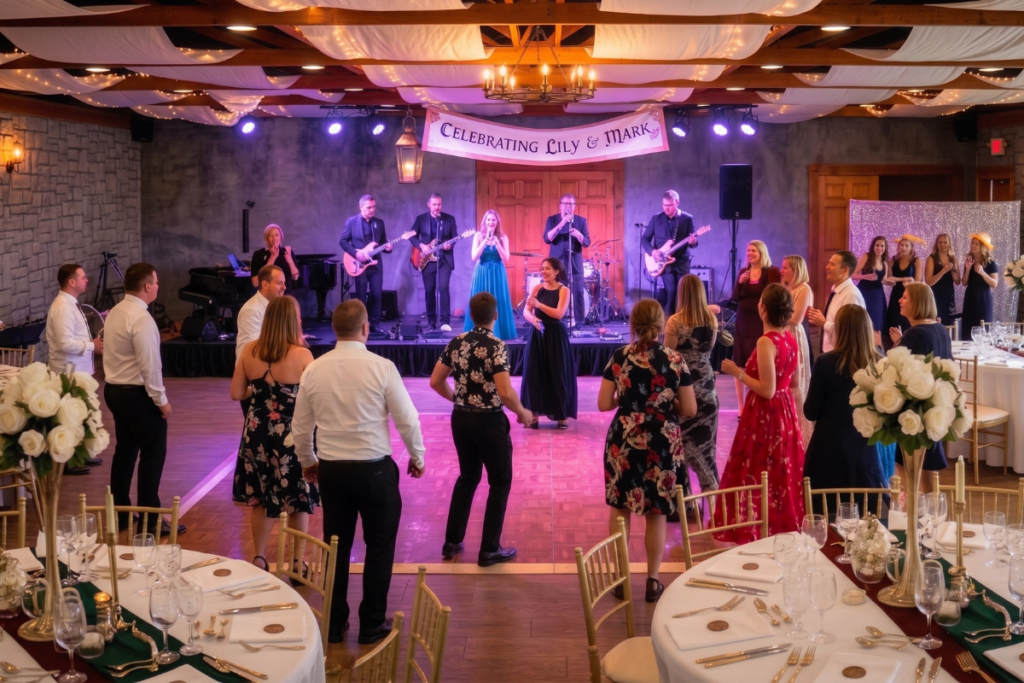
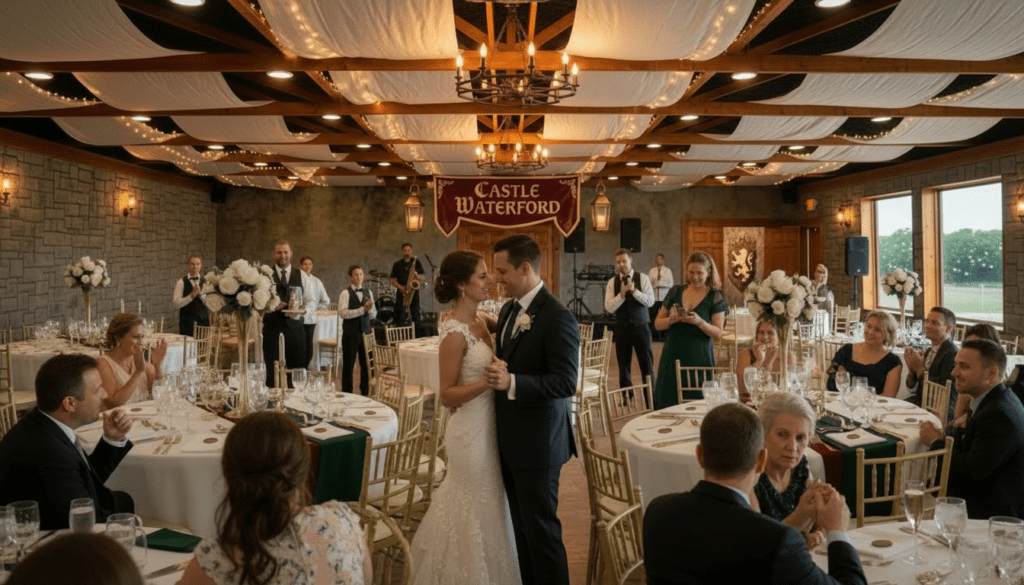
A wedding reception is one of the most joyful parts of a wedding celebration. It’s the time when family and friends gather to celebrate the newly married couple with food, music, laughter, and unforgettable memories. However, planning a reception can sometimes feel overwhelming with so many details to manage.
The key to a stress-free wedding reception is proper planning, organization, and choosing the right venue and team. With the right approach, couples can enjoy their big day without worrying about last-minute issues.
Below is a complete guide to planning a smooth and stress-free wedding reception.
1. Start Planning Early
One of the best ways to avoid stress is to begin planning your reception early. Ideally, couples should start planning 6–12 months before the wedding.
Early planning helps you:
Book your preferred venue
Hire vendors at better prices
Avoid last-minute decisions
Creating a clear timeline and checklist will keep everything organized.
2. Choose the Right Venue
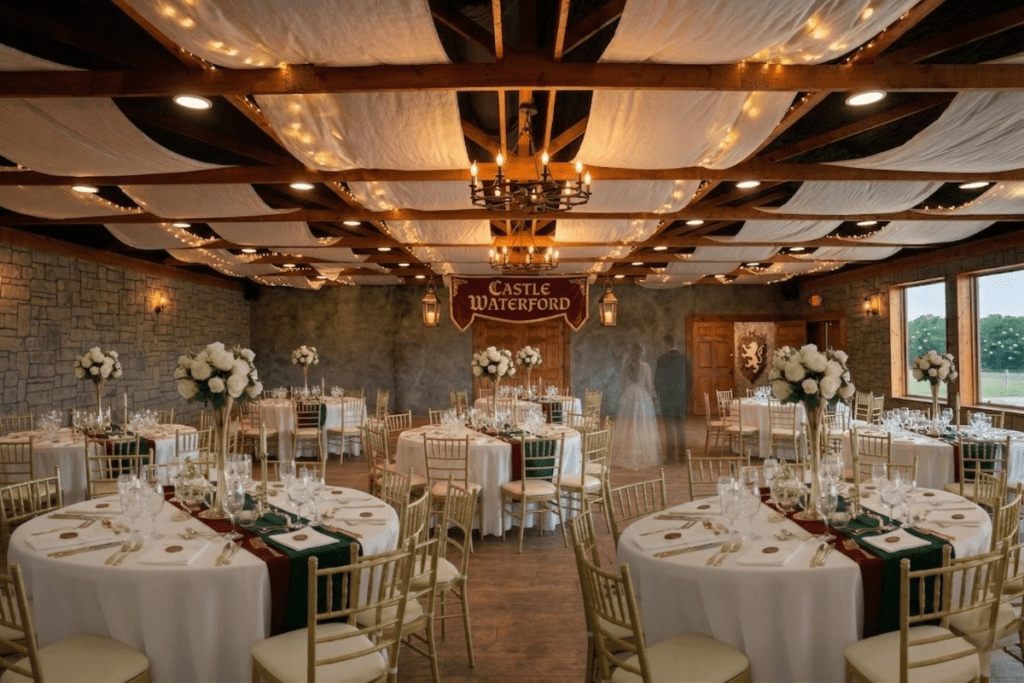
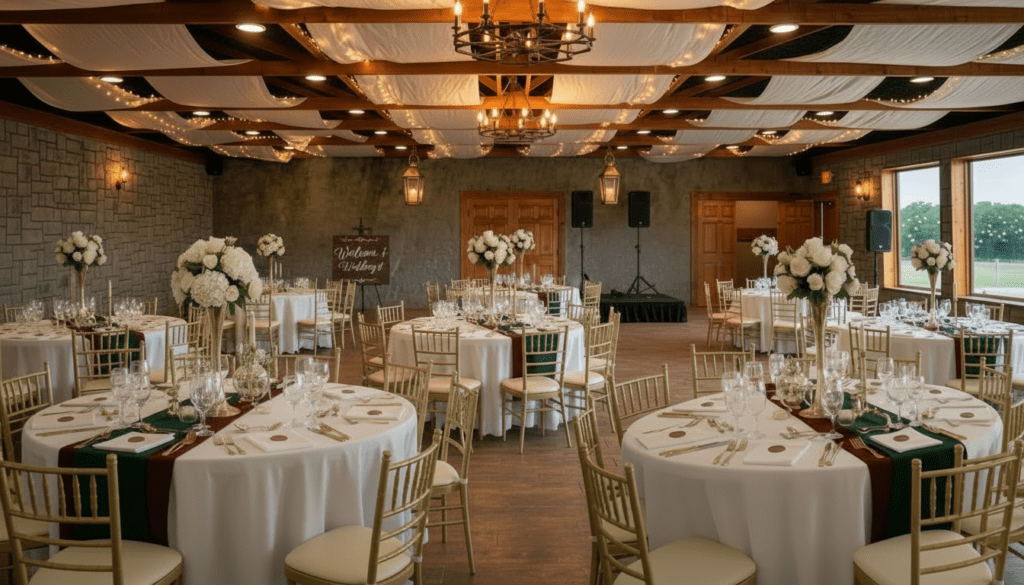
Your venue plays the biggest role in how smooth your weddingreception will be.
When choosing a venue, consider:
Guest capacity
Indoor or outdoor space
Catering services
Parking and accessibility
Decoration flexibility
A well-organized venue with an experienced event team can handle many arrangements, reducing stress for the couple.
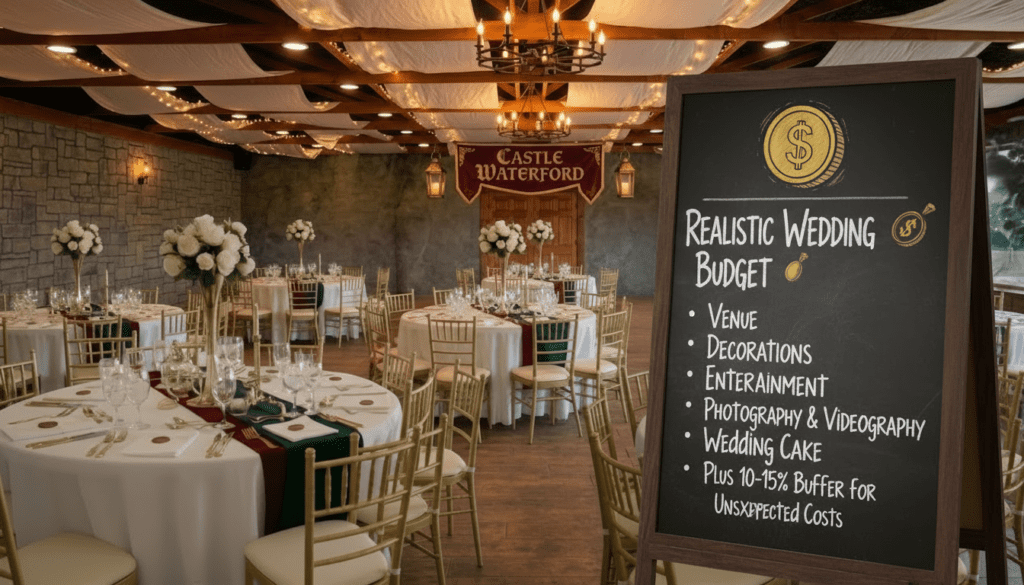
3. Create a Realistic Budget
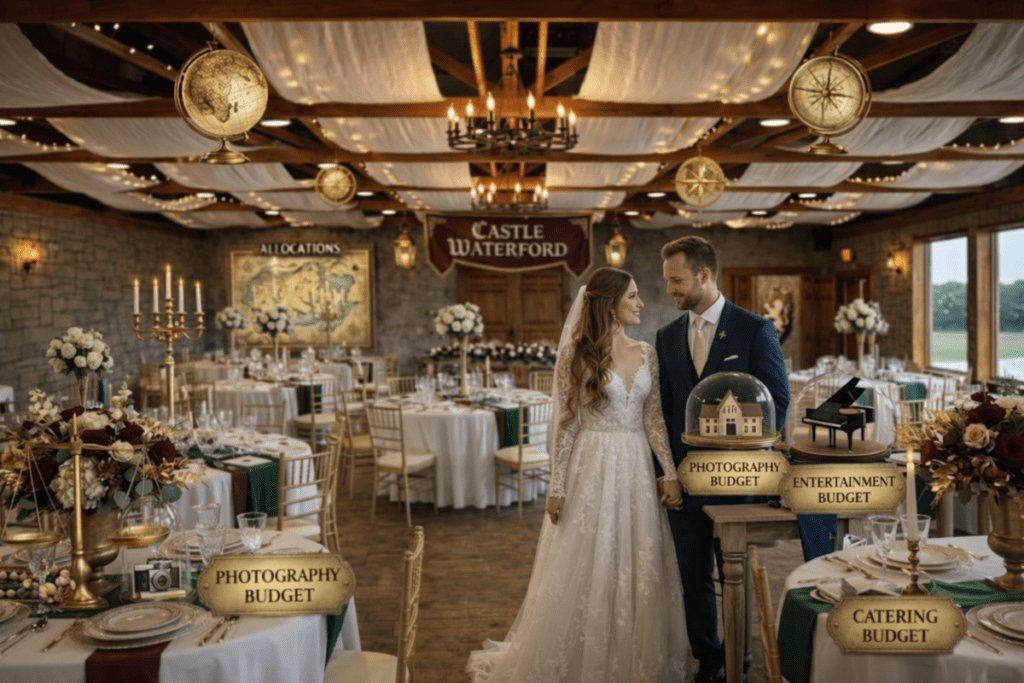
Budget planning is essential for a stress-free weddingreception.
List all expected expenses such as:
Venue
Catering
Decorations
Entertainment
Photography & videography
Wedding cake
Keep 10–15% extra in your budget for unexpected costs.
4. Make a Guest List Early
Your guest list will determine the size of your reception and the budget required.
Tips for managing the guest list:
Divide the list into family, friends, and colleagues
Send invitations early
Ask for RSVP confirmations
This will help vendors plan food, seating, and arrangements properly.
5. Plan the Reception Timeline
A well-planned timeline keeps the event running smoothly.
Typical reception schedule:
Guest arrival & welcome drinks
Couple’s grand entry
Dinner service
Speeches & toasts
Cake cutting
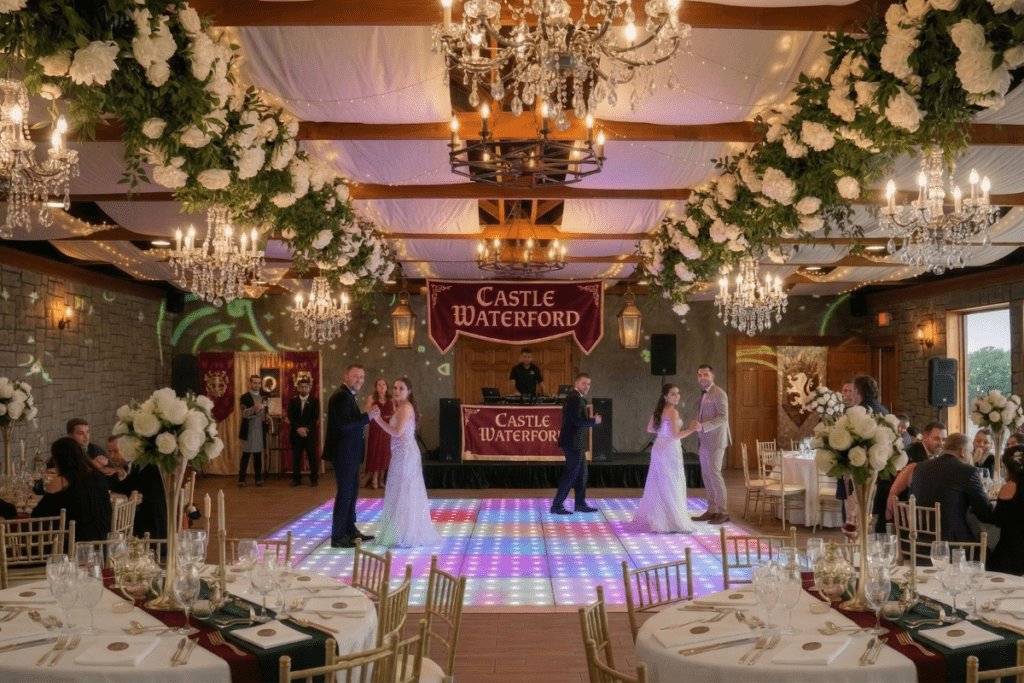
First dance
Open dance floor
Sharing the timeline with vendors ensures everyone stays coordinated.
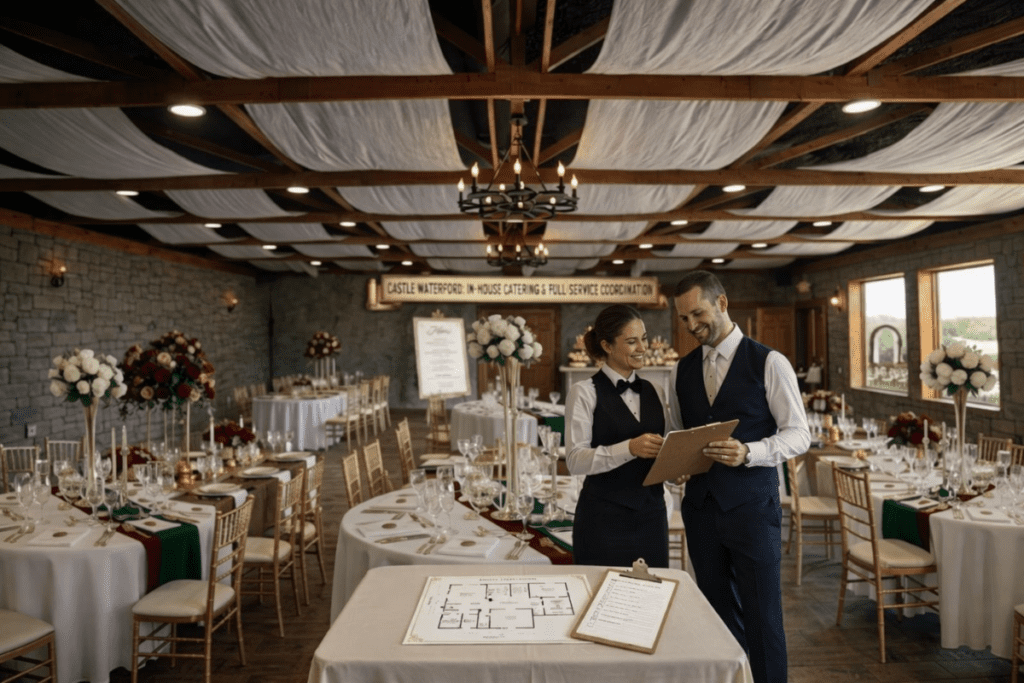
6. Hire Reliable Vendors
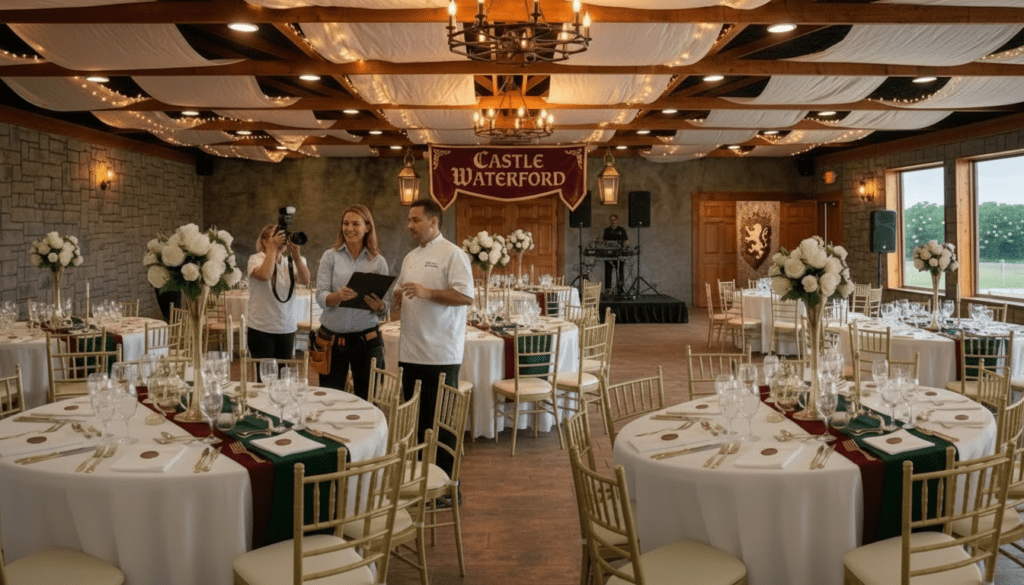
Choosing experienced vendors can remove a lot of stress.
Important vendors include:
Caterers
Photographers
Decorators
DJs or live bands
Event planners
Read reviews, check portfolios, and confirm contracts in advance.
7. Keep the Décor Simple and Elegant
Simple décor often looks more elegant and is easier to manage.
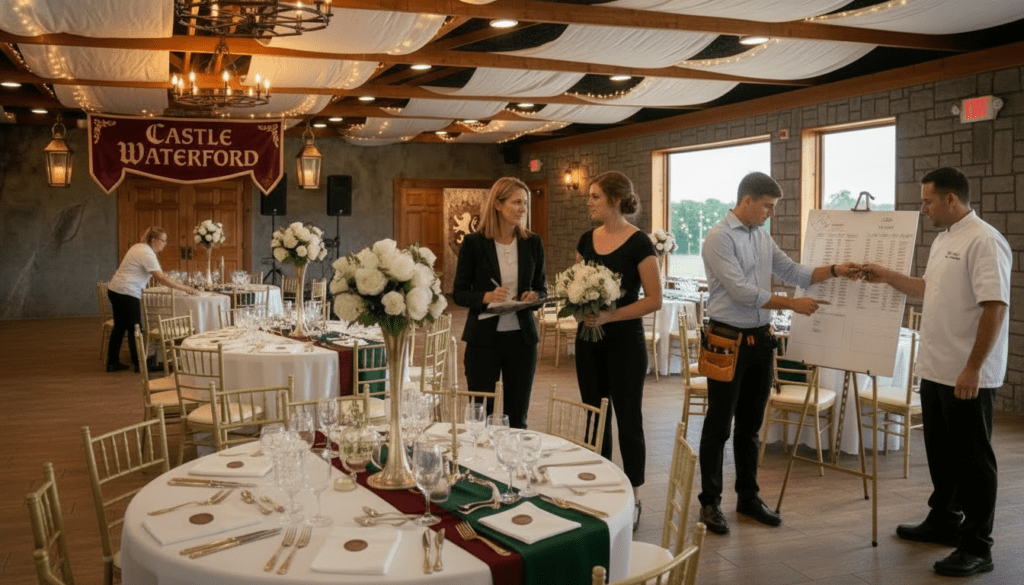
You don’t have to manage everything yourself. Assign tasks to trusted people such as:
Family members
Bridesmaids and groomsmen
A professional wedding planner
Delegating responsibilities allows you to focus on enjoying your celebration.
9. Plan Entertainment for Guests
Entertainment keeps the reception lively and memorable.
Popular reception entertainment ideas:
Live music band or DJ
Dance performances
Photo booth
Couple games or fun activities
Good entertainment ensures guests stay engaged throughout the event.
10. Take Time to Enjoy the Moment
The most important part of your wedding reception is celebrating your love.
Remember to:
Spend time with your guests
Take photos and videos
Enjoy the food and music
Relax and celebrate your new journey
A wedding happens once in a lifetime, so make sure you enjoy every moment.
Conclusion
Planning a stress-free wedding reception is all about organization, early preparation, and choosing the right team. By setting a clear budget, selecting a suitable venue, creating a timeline, and delegating tasks, couples can ensure their reception runs smoothly.
With thoughtful planning and the right support, your wedding reception can become a beautiful celebration filled with joy, laughter, and unforgettable memories.
FAQ (Frequently Asked Questions)
1. How far in advance should you plan a wedding reception?
Most couples start planning their wedding reception 6 to 12 months before the wedding to secure venues and vendors.
2. What is the most important part of a wedding reception?
The most important parts include good food, entertainment, a comfortable venue, and a smooth timeline.
3. How can couples reduce stress during wedding planning?
Couples can reduce stress by starting early, setting a clear budget, hiring experienced vendors, and delegating tasks.
4. What entertainment options work best for wedding receptions?
Popular options include live music, DJs, dance performances, photo booths, and interactive games.
5. How long should a wedding reception last?
A typical wedding reception lasts 4 to 5 hours, including dinner, speeches, dancing, and celebrations.
Inquiry
Factors to consider when picking the perfect location